Joint Supplements for Pit Bulls: What the Research Says
General nutrition information compiled from product labels and published sources, not veterinary advice. Your veterinarian is the right person to choose a diet for your dog, especially one with a health condition.
Many Pit Bull owners start thinking about joints around the time a dog slows down on walks or hesitates at the stairs. The supplement aisle is full of promises. This guide shows you how to look at dog health supplements with a careful eye, step by step, before anything goes in the bowl.
One point up front. This is a label-reading and decision guide. We did not feed, test or trial any supplement, and we are not publishing dosing advice. A veterinarian decides what is right for an individual dog.
What the breed sources actually say
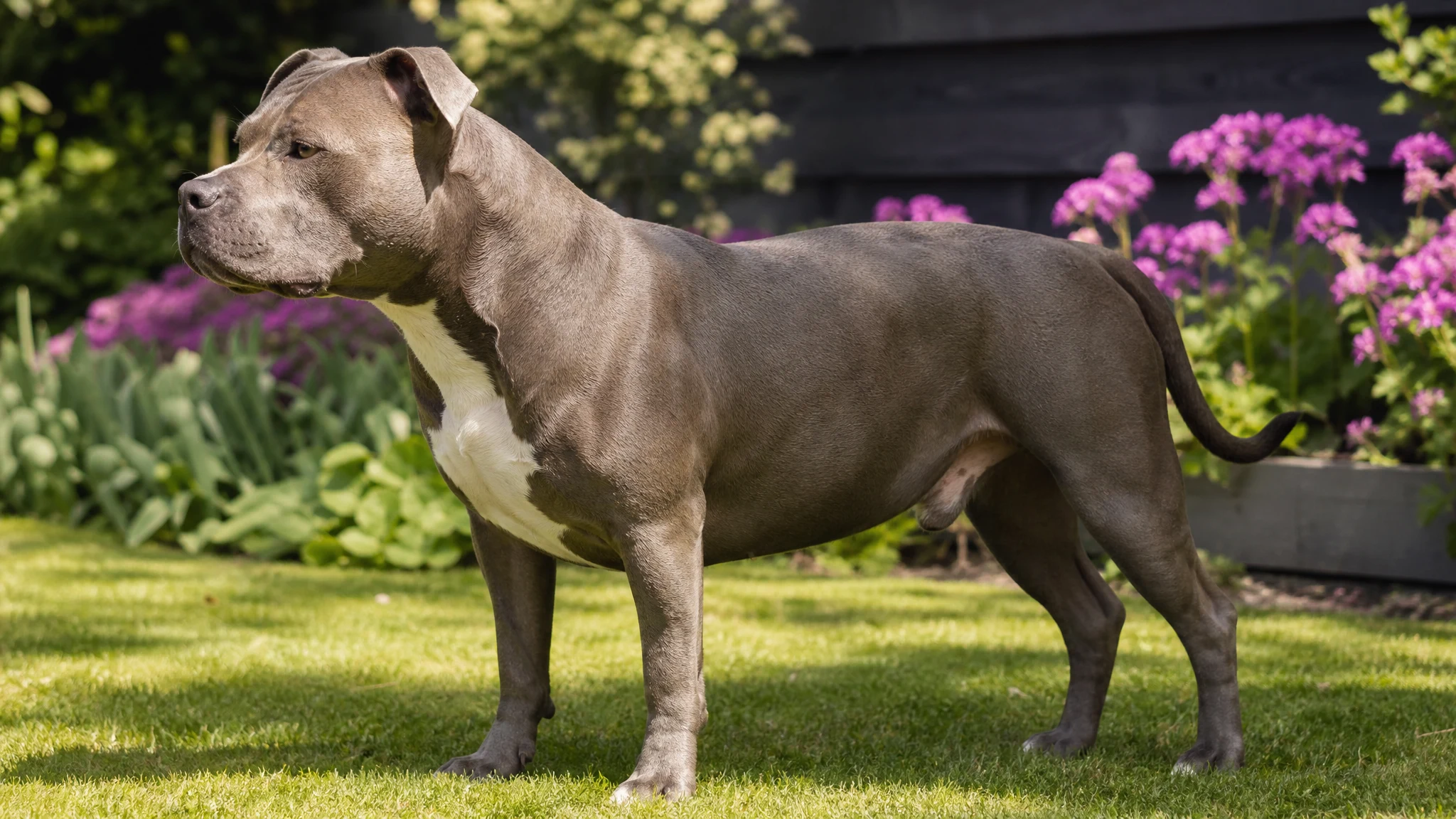
The United Kennel Club, which uses the breed name American Pit Bull Terrier, describes a medium-sized dog. Its standard lists males at 35 to 60 lb and females at 30 to 50 lb. Hill's Pet Nutrition gives a similar range of 30 to 60 lb, with males heavier, and a life expectancy of 12 to 14 years.
The Hill's breed page names hip and elbow dysplasia among the health topics linked to diet for this breed. It also lists skin allergies and weight management. That is a pointer to talk with your vet. It is not proof that any supplement or food prevents or treats a joint problem.
We did not find a Pit Bull specific joint supplement trial in our research. If a label or ad claims one, ask the brand for the study itself and bring it to your vet.
What you need before you start
- Your dog's current weight and a recent body condition note from your vet.
- The label of your dog's main food, including the AAFCO statement.
- The full label of any supplement you are considering, including the ingredient list and the manufacturer's contact details.
- A written list of everything your dog already eats, including treats, chews and toppers.
- A notebook or phone notes to record changes in movement, appetite and stool.
- An appointment, or a message to your vet's office.
Step-by-step: how to evaluate a joint supplement
Step 1: Write down why you are asking
Be specific. Is your dog limping, stiff after naps, slow to jump into the car, or are you simply planning ahead? Note when it happens and for how long.
Stiffness and limping have many causes. Some are joint related and some are not. A supplement can hide a problem that needs an exam, so the reason matters.
Step 2: Book a veterinary exam first
Ask your vet to check the hips, elbows and knees, and to weigh your dog. Bring your notes. The exam comes before any purchase, because the vet may find something a supplement should not be used to cover up.
Ask directly: "Is a supplement reasonable for this dog, and which ingredients would you be comfortable with?"
Step 3: Check body weight and food
Weight management is one of the diet topics the Hill's breed page lists for Pit Bulls. Extra pounds put more load on joints, and trimming them is often the first conversation a vet has. Compare your dog's weight with the UKC ranges above, but remember that those are breed guidelines, not a target for your individual dog. Your vet sets the goal weight.
Then look at the food. A complete and balanced diet carries an AAFCO statement on the bag. Our overview of Pit Bull nutrition and the diet factors that matter walks through that statement, life stages and calories in more detail.
Step 4: Read the supplement label like a food label
Look for these items:
- Intended species. Use a product made for dogs, not a human product or a horse product.
- Full ingredient list. Check for fillers, flavorings and anything your dog has reacted to before. Skin allergies are a listed concern for the breed, so a chicken or beef flavored chew matters if your dog is sensitive to that protein.
- Amount per serving. Dosing belongs to your vet and the manufacturer's label. We do not give amounts here.
- Manufacturer contact. A real company should answer questions about where and how the product is made.
- Claims. Wording like "supports joint health" is a structure claim. Wording that promises to fix a named disease is a red flag.
Step 5: Count the calories and overlaps
Chews and soft supplements add calories. Some foods also already contain joint-related ingredients, so doubling up is possible. Show your vet the full list from your materials checklist and ask about overlap.
Step 6: Introduce one change at a time
If your vet approves a supplement, start it alone. Do not switch foods, add treats or start a new chew the same week. Follow your vet's and the label's instructions for how to begin.
If you also change foods, the Hill's puppy food page suggests a 7 day transition, mixing increasing amounts of new food with decreasing amounts of old. That is a reasonable pattern for any food change, but keep it separate from the supplement start.
Step 7: Track and recheck
Write short notes every few days. Record how easily your dog gets up, how the walk goes, and any vomiting, loose stool, itching or appetite change. Stop and call your vet if anything worries you.
Plan a recheck with your vet. Ask what would count as a meaningful change, and when to decide whether to continue.
Special notes for puppies and growing dogs
Do not give joint supplements to a growing Pit Bull on your own. A general guide from Royal Canin UK puts the switch to an adult diet at about 12 months for medium-sized breeds, though no Pit Bull specific age turned up in our research.
Pit Bulls are medium dogs, below the 70 lb adult weight AAFCO uses for large-size growth. Whole Dog Journal reports that large and giant puppy diets carry a stricter calcium maximum of 1.8% on a dry matter basis, versus 2.5% for other diets. A very big individual could be closer to the large-breed line, so a vet should confirm which puppy food fits. Extra calcium or mineral supplements are exactly the kind of addition to avoid in a growing dog unless your vet says otherwise.
Tips
- Ask your vet whether the food itself already covers your needs before adding anything.
- Choose products from a manufacturer that publishes a full ingredient list and a way to contact them.
- Keep a single folder with labels, vet notes and your tracking log.
- Low-impact, regular exercise and a lean body are topics worth raising with your vet. They are often discussed alongside any supplement plan.
- Keep supplements stored as the label says and out of reach of the dog.
Common mistakes to avoid
- Starting a supplement instead of an exam. Limping needs a diagnosis, not a guess.
- Trusting testimonials as research. A happy review is not a controlled study.
- Adding several products at once. You will not know what helped or what caused a stomach upset.
- Using human products. Some contain sweeteners or ingredients not meant for dogs.
- Guessing the dose. Follow your vet and the label, never a forum post.
- Ignoring calories. Treat-style supplements count toward the daily total.
- Believing cure language. No food or supplement is shown by our sources to prevent, treat or cure hip or elbow dysplasia.
What results to expect
Be modest. Some owners report that their dogs seem more comfortable on certain supplements, and some see no change. Evidence varies by ingredient and by product, and we did not find Pit Bull specific trial data. Changes, if any, may be gradual and may be hard to separate from weight loss, exercise or the natural ups and downs of a dog's day.
A supplement may support overall joint health as part of a larger plan that includes healthy weight, suitable exercise and veterinary care. It should not be expected to reverse an existing condition. If your dog's movement worsens, or you see pain, stop and call your vet.
A short checklist
- Write down the reason and the symptoms.
- Get a veterinary exam.
- Settle on a healthy weight and a complete diet.
- Read the supplement label in full.
- Check calories and overlap.
- Start one change at a time.
- Track, then recheck with your vet.
Dog health supplements are a vet conversation, not a shortcut. A careful label read and a few notes will make that conversation much more useful.