Do Pit Bulls Need a Probiotic Supplement?
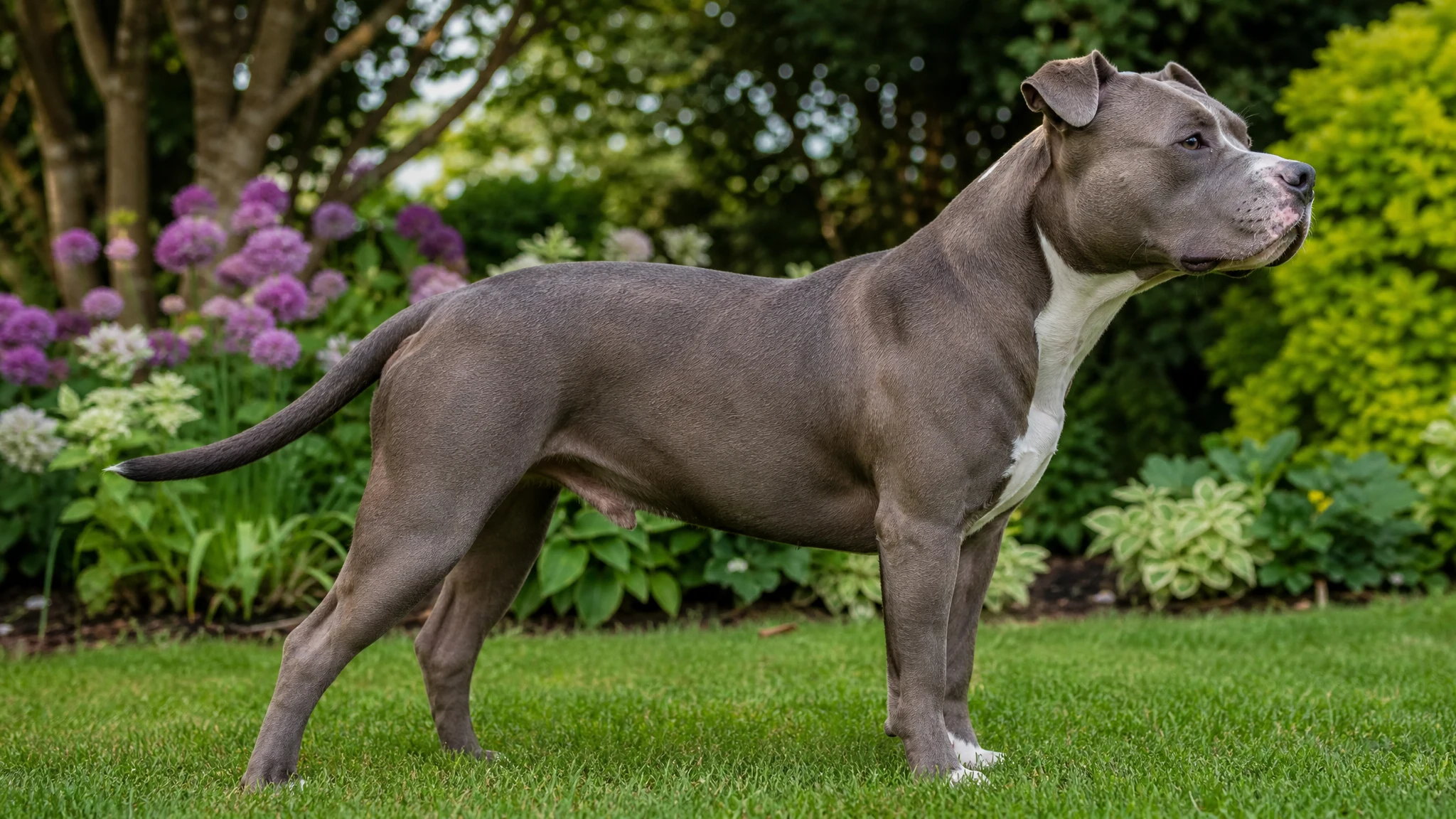
General nutrition information compiled from product labels and published sources, not veterinary advice. Your veterinarian is the right person to choose a diet for your dog, especially one with a health condition.
Most healthy adult Pit Bulls eating a complete and balanced diet do not have a proven need for a probiotic. Some owners still wonder about dog probiotics for gut health, especially after a bout of loose stools or a food change. This guide walks you through how to decide, step by step, without guessing.
It is a decision process, not a product pick. We did not feed, test or trial any probiotic. We compared label data for the foods named below. We did not run feeding trials or taste tests. Whether your dog needs a supplement is a question for your veterinarian.
What you need before you start
- The bag, can or tub label of your dog's current food, including the nutritional adequacy statement and the ingredient list.
- Your dog's age, and a recent weight from a scale or your vet's office.
- A short notes page or phone note for stool quality, appetite and any itching.
- A list of everything your dog eats: treats, chews, table scraps and any current supplements.
- The label of any probiotic you are considering, if you already have one in mind.
- An appointment or phone call with your veterinarian.
Step 1: Know what a Pit Bull is, and what that means for feeding
"Pit Bull" is a type, not a single registry breed. The United Kennel Club recognizes the American Pit Bull Terrier, with males at 35 to 60 lb and females at 30 to 50 lb. Hill's Pet Nutrition lists 30 to 60 lb on its breed page, with males heavier.
That makes a Pit Bull a medium dog. Hill's gives a life expectancy of 12 to 14 years for the breed. Your own dog may be a mix, so use these ranges as a loose guide only.
Neither source says Pit Bulls as a group need a probiotic. If a brand or blog claims otherwise, ask what source it relies on.
Step 2: Check the foundation, which is the food
Before adding anything, look at the diet. A supplement will not fix a poor fit between dog and food.
- Find the adequacy statement. It says whether the food is formulated to meet the AAFCO Dog Food Nutrient Profiles, or substantiated by feeding tests, and for which life stage. Royal Canin Medium Adult, for example, says it is formulated to meet AAFCO levels for maintenance. Hill's Science Diet Adult Large Breed says AAFCO feeding tests substantiate it for adult maintenance.
- Match life stage to your dog. Royal Canin lists its Medium Adult food for dogs 12 months and older, 23 to 55 lb. Royal Canin UK gives about 12 months as the usual switch point for medium breeds, though no Pit Bull specific age was found. Your vet can confirm timing.
- Read the first five ingredients. They show what the food is built on. Royal Canin Medium Adult lists brewers rice, chicken by-product meal, oat groats, wheat and corn protein meal. Victor Hi-Pro Plus lists beef meal, grain sorghum, chicken fat, whole grain millet and blood meal.
- Do not assume a bigger label means a better fit. Large-breed puppy foods are built for dogs expected to reach 70 lb or more. Pit Bulls generally fall below that, though a very big individual may sit near the line, so ask your vet.
For more on what matters in the bowl, see our guide to Pit Bull nutrition and the diet factors that matter.
Step 3: Write down what you are actually seeing
Probiotics are usually discussed around digestive upset, so vague worry is not enough. For one to two weeks, note:
- Stool consistency and how often your dog goes.
- Gas, rumbling, vomiting or poor appetite.
- Recent changes: new food, new treats, boarding, travel or stress.
- Itchy skin or ear trouble, since Hill's lists skin allergies as a diet-relevant concern for the breed.
Take this record to your vet. It is far more useful than "his stomach seems off."
Some signs need a call right away, not a supplement trial. These include blood in the stool, repeated vomiting, a swollen or painful belly, lethargy, or diarrhea that lasts more than a day or two. Call your vet in those cases.
Step 4: Talk to your veterinarian first
Ask these questions:
- Does my dog's history suggest a probiotic could be worth trying?
- Could something else explain the symptoms, such as a food intolerance, parasites or an infection?
- Is a probiotic safe alongside my dog's medications or current diet?
- Do you recommend a specific product, and how long should we try it?
Your vet decides about an individual dog. This includes dose and duration, which is why we give no amounts here. Always follow the product label and your vet's direction.
Be wary of any page that says a probiotic prevents, treats or cures a condition. Hip and elbow dysplasia, skin allergies and weight are listed by Hill's as diet-relevant for the breed. That does not mean any single supplement fixes them.
Step 5: Read the probiotic label like a food label
If your vet suggests one, check the product the way you would check a food.
- Species and strain names. A label that only says "probiotic blend" tells you little.
- Intended species. Choose a product made for dogs.
- Storage and expiry. Follow the label, since some products need cool storage.
- Extra ingredients. Check for flavorings or additives your dog is sensitive to.
- Company contact. A real brand should list how to reach it. If a question goes unanswered, check with the brand directly.
We do not name a probiotic here because we have no verified label data for one to share. Check the brand's own page for its current label.
Step 6: Introduce it slowly, one change at a time
Change only one thing at a time. If you swap food, add a chew and start a probiotic in the same week, you will not know what caused any change.
- Keep the base food steady for the trial.
- Start the probiotic exactly as your vet and the label direct.
- Keep your notes going, using the same stool and appetite tracking.
- Stop and call your vet if you see vomiting, worse stools or itching.
If you are changing the food itself, the same slow approach applies. Hill's suggests a 7-day transition on its large-breed puppy food page, mixing increasing amounts of new food with decreasing amounts of old.
Tips and common mistakes
- Starting with a supplement instead of a vet visit. Symptoms can have causes a probiotic will not address.
- Using human probiotics. Ask your vet before giving anything made for people.
- Judging too quickly or too slowly. Stay with the trial period your vet sets, and keep notes either way.
- Ignoring calories. Weight management matters for the breed, per Hill's. Food calories vary a lot: Royal Canin Medium Adult lists 340 kcal per cup, while Victor High Energy lists 412 kcal per cup. Treats and add-ons count too.
- Trusting "gut health" claims without proof. Marketing language is not a study. Ask what the claim rests on.
- Treating a probiotic as a substitute for a complete diet. It is an add-on at most.
What results to expect
Expectations should stay modest. Some owners and vets report that a probiotic seems to support normal digestion in certain dogs, but responses vary and results are not certain. Many dogs show no visible change at all.
If stools look the same after the trial period your vet set, that is useful information. It may mean the supplement is not helping, and your vet can look at other causes. These statements are about general digestive support and have not been evaluated by the FDA as treatment for any condition.
The short answer
A healthy Pit Bull on a complete, life-stage-appropriate food does not have a documented need for a probiotic in the sources we reviewed. If your dog has recurring digestive issues, start with a vet visit, your notes and the food label. A supplement, if any, comes after that.
Sources
- United Kennel Club, American Pit Bull Terrier breed standard
- Hill's Pet Nutrition, American Pit Bull Terrier breed page
- Royal Canin UK, when to switch your puppy to an adult diet
- Royal Canin, Medium Adult product page
- Hill's Science Diet, Adult Large Breed product page
- Hill's Science Diet, Puppy Large Breed product page
- Victor, High Energy product page
- Victor, Hi-Pro Plus product page